
Draw it to scale
Your 20-yard is set up as 22 by 8 feet, so that's what you drop on the driveway. Rotate it, flip it, mark the door side. You'll see right away if it doesn't fit.
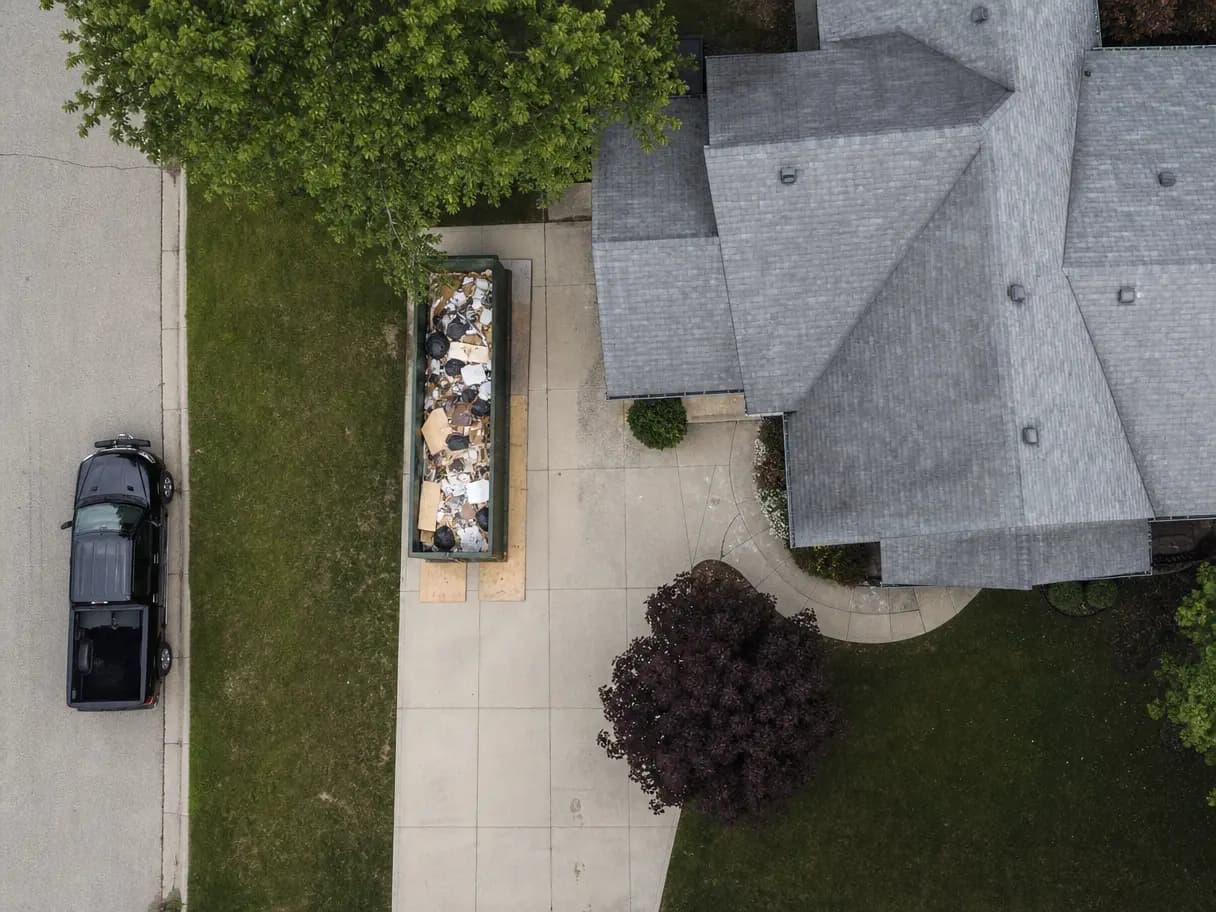
You know the routine. Pull up the address, screenshot it, draw a box with your finger, text it to the driver, text it to the customer, hope they're looking at the same thing. There's a better way to say "put it here."
A can dropped on the wrong side of the drive has to be moved. That's a truck, a driver, and an hour you don't bill for.
Cracked driveways and torn-up lawns turn into arguments about where the customer said to put it. A screenshot in someone's texts is weak proof.
Every screenshot is five minutes of your time, done again every time the plan changes.
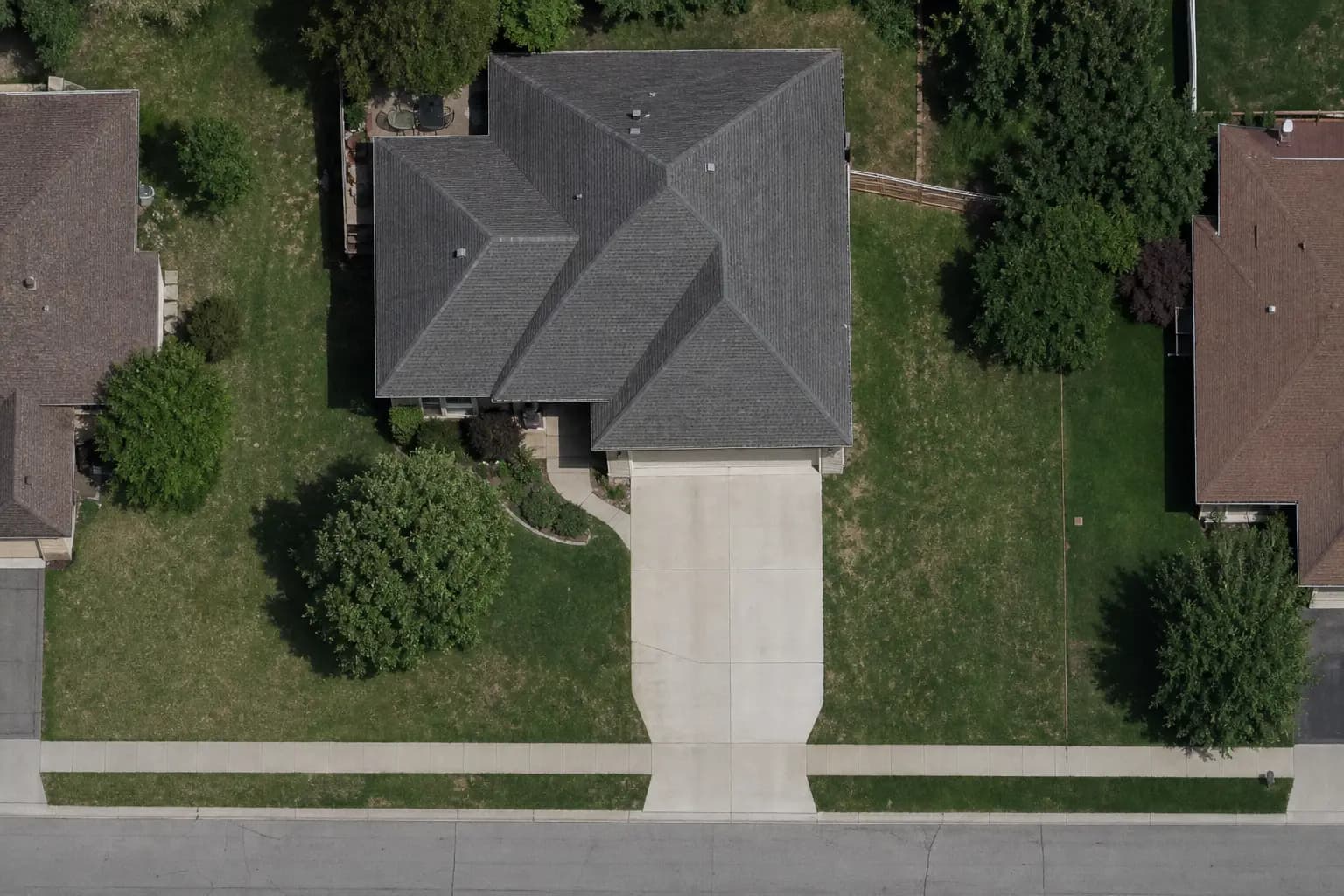
Place the can once on a satellite map. That's the version the driver and the customer see.
Your 20-yard is set up as 22 by 8 feet, so that's what you drop on the driveway. Rotate it, flip it, mark the door side. You'll see right away if it doesn't fit.
Where it goes is on the driver's next stop, along with the gate code and the can number. No digging through texts in the cab.
The customer's link shows the same footprint on their own property. If they want it moved, they ask before the truck rolls, not after.
Yes. Send a placement request and they drop the can where they want it. You approve it before it goes to the driver.
Use Street View or upload a site photo or plan, and place the can on that.
No. It's a clear picture of where the can should go, drawn to its real size. Drivers still check the site, and photos of the drop are saved on the job.
Bring a real week: the addresses, the cans, the drivers. We'll set it up on a call and you'll see your day plan before we hang up.
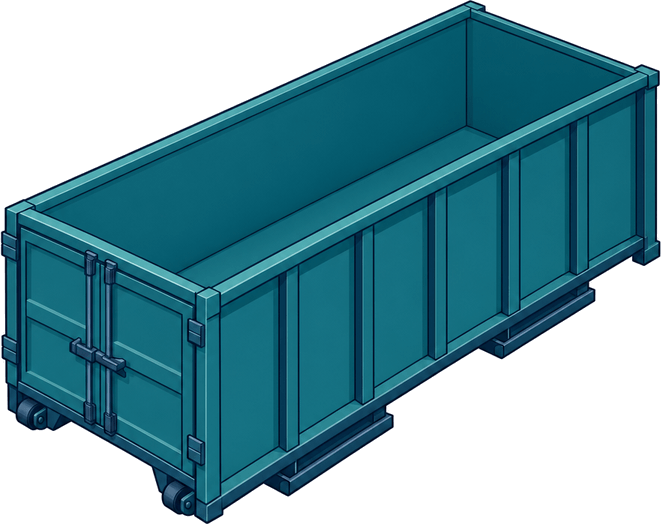 20-yard roll-off · #204