
Swap requests from the site
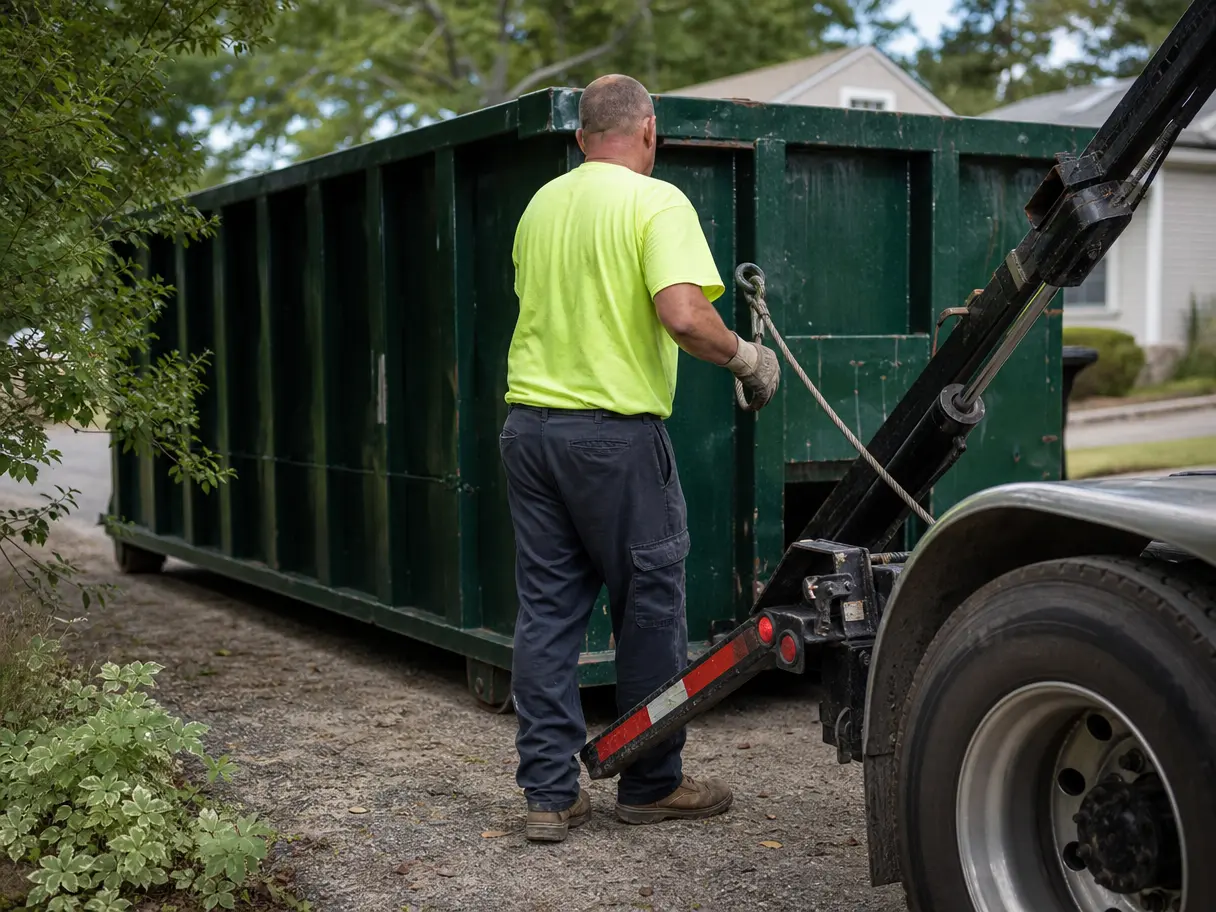
Contractors and site contacts request service from their link, with their note attached.
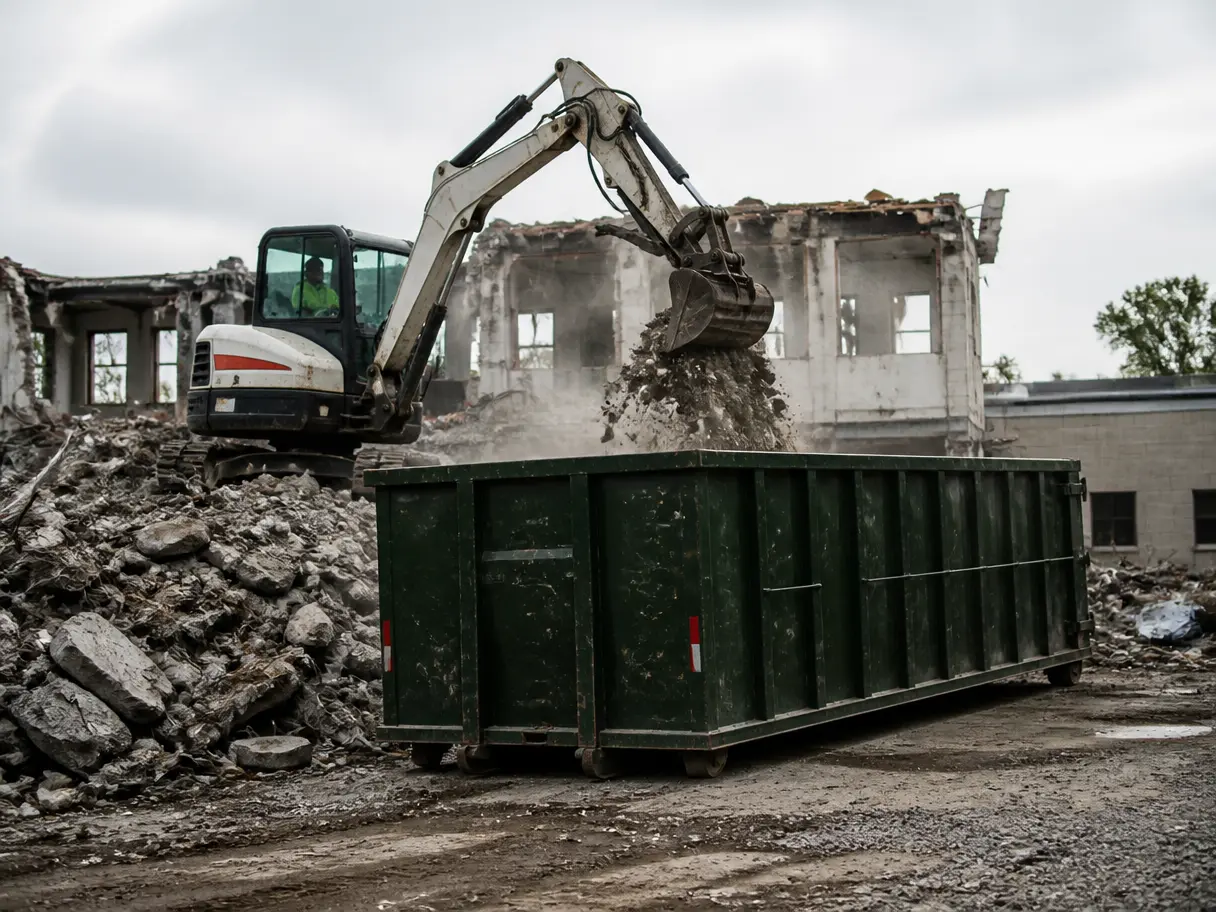
Construction and demo work is where roll-off gets busy: two or three cans on one site, swaps on a schedule, a super who needs it done yesterday, and a street permit that runs out on a Friday.
Each dumpster on the site gets its own placement and its own visits. Can A gets swapped Tuesday, can B on Thursday.
The general contractor, the site super, and the property owner all want to know when you're coming.
Concrete and shingles are heavy. Tickets, tons, and permits need to stay with the job.
Setup
The office places can A in the alley and can B by the side yard, with "door faces the alley" in the access notes.
Step 1 of 5Week one
The street permit number and dates go on the job. If it ends before the pickup, the project warns you.
Step 2 of 5Swaps
The site contact asks for a swap on can A from their own link. The office accepts and schedules it.
Step 3 of 5Landfill
The driver logs the ticket and net weight for each dump. The job's ticket table fills in.
Step 4 of 5Close-out
Final pickups run. The tickets and photos stay on the project.
Step 5 of 5Contractors and site contacts request service from their link, with their note attached.
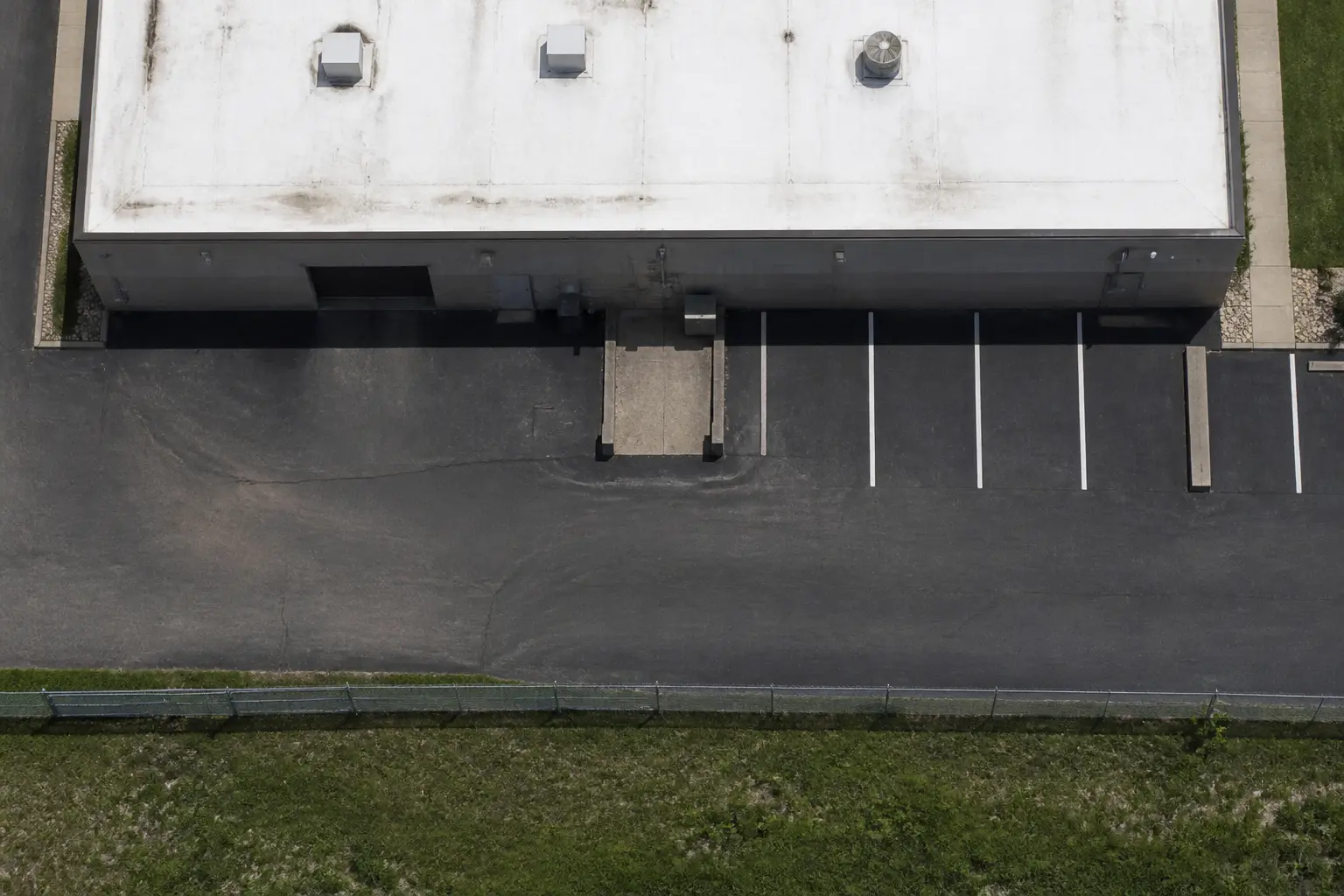
Place the can behind the building and mark which way the door faces.
Every scale ticket and every permit, on the job, with warnings.
Yes. Each dumpster gets its own placement and visits.
Yes. Create a customer link and a site-contact link for the same project.
Drivers record the destination and net tons for each dump, and the tickets are on the job. That's the raw record most diversion reports ask for.
Bring a real week: the addresses, the cans, the drivers. We'll set it up on a call and you'll see your day plan before we hang up.